
Students in Trevecca’s business communications course recently stepped into the role of hiring managers through an immersive project designed to simulate real-world recruiting and interviewing decisions in the healthcare industry.
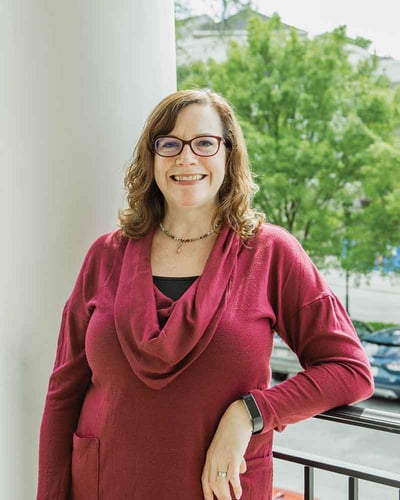 Led by business professor Dr. Dawn Olson, the project involved partnering with SSM Health and one of the company’s executives, VP of Talent Acquisition Teri Cayler, to create a hands-on learning experience that challenged students to think beyond the classroom.
“I wanted to make it very interactive, engaging and real practice for these students,” Olson said.
Before beginning the hiring exercise, students were divided into teams and tasked with creating fictional hospitals and clinics complete with mission statements, branding, organizational structures and even artistic visuals of the hospital. Then, using real nursing resumes provided through SSM Health (with fictional names), students ranging from freshman to senior conducted mock interviews, evaluated candidates and ultimately created realistic compensation packages and offer letters.
“For some of these students, it’s very valuable to get out there, interview and know what that process looks like from both sides,” Olson said.
The project intentionally pushed students outside of their comfort zones. Many of the business students had little to no familiarity with healthcare, requiring them to quickly learn industry expectations while developing professional communication skills. SSM Health representatives spoke with students about resumes as well as the importance of soft skills in today’s workforce.
“They told the students that the resume is just the foot in the door, but it’s the interview where they really get to know whether or not a particular applicant is a good fit,” Olson said.
The initial presentations themselves became highly creative and collaborative experiences. Students designed clinics focused on everything from pediatric care to cancer treatment and global outreach. One group even envisioned mobile pop-up clinics designed to meet people where they are.
“That was a theme throughout almost every single group,” Olson said. “How do we meet these needs? How do we go where people need the most help?”
Olson also noticed an unexpected trend emerge among these organizations. Although she never instructed students to create faith-based organizations, 11 of the 12 groups naturally chose to do so.
“This just goes to show you the culture at Trevecca,” Olson said. “It wasn’t required, but of course they wanted to be able to lead in an industry with a faith-based organization.”
Beyond the project itself, Olson said the experience reflects what makes Trevecca unique in its efforts to prepare students for meaningful, faith-filled lives outside of the classroom.
“I think part of what makes Trevecca different is the small, unique experiences like this that these students get to have,” Olson said. “We bring in real people to help them see the possibilities in their own career paths and to build up their network.”
Olson plans to expand the project in future semesters by involving Trevecca nursing students directly and continuing collaboration with healthcare professionals and business faculty.